

How to Make a Kids' Cooking Challenge Video: Step-by-Step Family Fun
Plan a kid-friendly cooking challenge at home: pick a simple format, set clear rules and roles, capture two camera angles, keep everyone safe, and edit the footage into a...
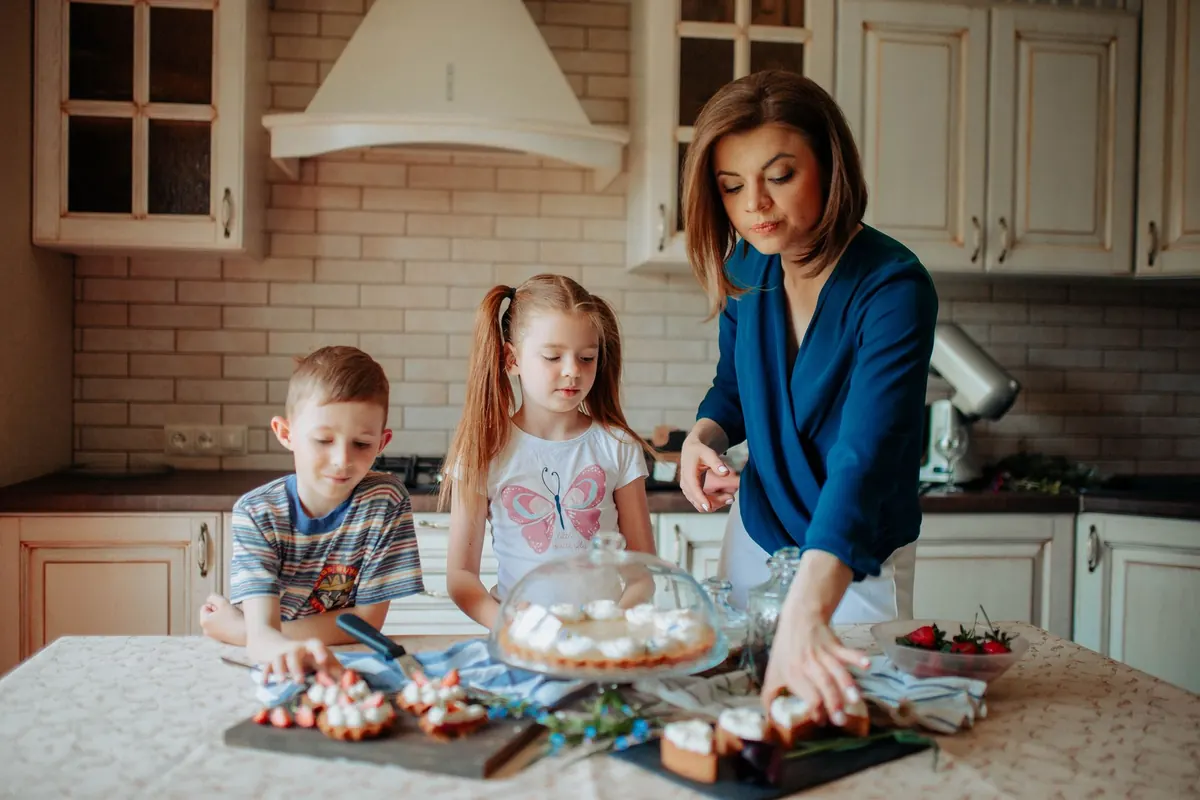
The first time you set a phone on the counter and hand three kids a mystery box of ingredients, you learn that a cooking challenge is half game show and half logistics. Someone forgets the eggs. The timer beeps while a nine-year-old is still wrestling with a can opener. A younger sibling announces they are quitting because the paprika touched the cheese. You keep filming anyway, because that moment, not the perfect plate, is the episode.
That chaos is the appeal. Family cooking videos work because viewers recognize the kitchen they already have: mismatched bowls, sibling negotiations, the proud face of a kid who made something edible without help. You do not need a studio, just a format, a few rules, and enough footage to build the story later. The trick is to design the challenge so the fun parts happen on camera and the frustrating parts stay short.
Pick a Challenge Format That Fits Your Kitchen
Not every idea survives contact with a real countertop. Choose something you can explain in thirty seconds and that uses ingredients you already own. If the rules take longer to explain than the challenge takes to cook, the kids will lose interest before the first take.
- Mystery box. Five ingredients, twenty minutes, all of them must appear in the final dish. Example: leftover roast chicken, a bell pepper, instant ramen, an apple, and a handful of spinach.
- Copycat. Recreate a family favorite from memory while the original sits covered nearby. Grandma's pancakes and a takeout-style fried rice both work well.
- One color. Every element on the plate has to match. Red is manageable with tomatoes, salsa, pepperoni, and strawberries; blue takes planning and a sense of humor.
- Parent versus kid. Same ingredients, same clock, two judges, one bragging right. Let the kids pick the judges so the voting feels official.
- Recipe relay. Each cook adds one ingredient and passes the bowl on without explaining why. The result is usually strange, but the reactions are gold.
- Leftover makeover. Everyone must transform last night's dinner into something new without opening a box of pasta.
Match the job to the age. A four-year-old can stir, sprinkle, and plate; knives and the stove stay with adults. Give younger kids a real station rather than a decorative one and they will stay engaged for the whole shoot. A six-year-old who owns the garlic press and the salad spinner will defend that job like a sous chef.
Age-Smart Jobs That Keep Everyone Involved
- Ages 3 to 5: pouring pre-measured ingredients, tearing lettuce, stirring cold mixtures, decorating plates.
- Ages 6 to 8: measuring, peeling soft vegetables, mashing, setting the timer, handing tools to adults.
- Ages 9 to 12: opening cans, grating cheese, reading the recipe aloud, running the handheld mixer with supervision.
- Ages 13 and up: chopping soft items, using the stove with an adult nearby, managing the clock and scorecard.
Plan the Rules, Teams, and Timer Before Anyone Touches a Bowl
Ten minutes of planning saves an hour of arguing on camera. Write the rules down and read them aloud before the first take, even if the only audience is the person holding the phone. Kids take a challenge more seriously when the boundaries are clear, and viewers follow the story better when they know what winning looks like.
- Set the clock. Twenty minutes suits most home challenges. Put a visible timer where the camera can see it, and give a two-minute warning.
- Create roles. Name a chef, a prep cook, and a plater in each team so nobody stands around waiting for someone else to decide.
- Choose three scoring categories. Taste, presentation, and teamwork are enough. Print a simple scorecard or draw one on a sheet of paper.
- Test the recipe once yourself, so you know it fits the time limit and will not burn at minute eighteen.
- Buy double. Ingredients get dropped, over-salted, or eaten before plating. A backup can of beans has saved more videos than any fancy camera.
- Decide how tasting works. Judges taste after the timer stops, not during. Otherwise quality control becomes dinner.
- Agree on cleanup. The team with the least flour on the floor gets a small bonus, or at least the first slice of dessert.
If you want a repeatable format, write a single index card for each challenge and keep it in a kitchen drawer. Next time the kids ask to film, you pull a card, set the timer, and start shooting.
Sample mystery box rules: Each team gets five ingredients, one pantry spice, and twenty minutes. Every ingredient must appear in the final dish. Adults handle all knives and the stove. Teams may trade one ingredient with the other team, but only before the timer starts. Judges score taste, presentation, and teamwork from one to five.
A Scorecard That Keeps the Peace
A simple scorecard prevents the challenge from ending in a debate about whose dish was better. Give each judge a slip of paper with the same categories, then ask them to say one compliment and one suggestion for every plate. That small ritual teaches kids to give feedback without crushing anyone's feelings, and it gives you better footage than a plain thumbs-up.
Set Up a Filming Station That Does Not Take Over the Kitchen
You can shoot a family cooking challenge with one phone, but a little setup makes the difference between a video people finish and a shaky clip they scroll past. Pick a counter with good light, clear the clutter behind the contestants, and keep the phone out of the splash zone. If you have a tripod, use it. If you do not, a stack of cookbooks and a rubber band can hold a phone at chest height.
- Light: Face the kids toward a window. Turn off overhead lights that cast yellow shadows.
- Sound: Pause the dishwasher, the exhaust fan, and any nearby video. A quiet kitchen makes the timer and the jokes readable.
- Angles: Start with a wide shot of the whole counter, then move in for hands, faces, and the timer. Close-ups of a flour cloud or a dramatic taste test are worth the extra minute.
- B-roll: Film the ingredients lined up, the scorecard, the dog waiting under the table, and the first messy bite. These clips rescue the edit later.
- Safety: Keep the camera away from hot pans, open flames, and raw meat. Wash hands before the take and after every raw-ingredient touch.
Film in short segments instead of one long take. Capture an intro, the rules, the cooking, the judging, and the reactions. Short clips are easier to edit, and kids can reset between takes if someone needs a snack or a bathroom break.
Edit for Story, Not Perfection
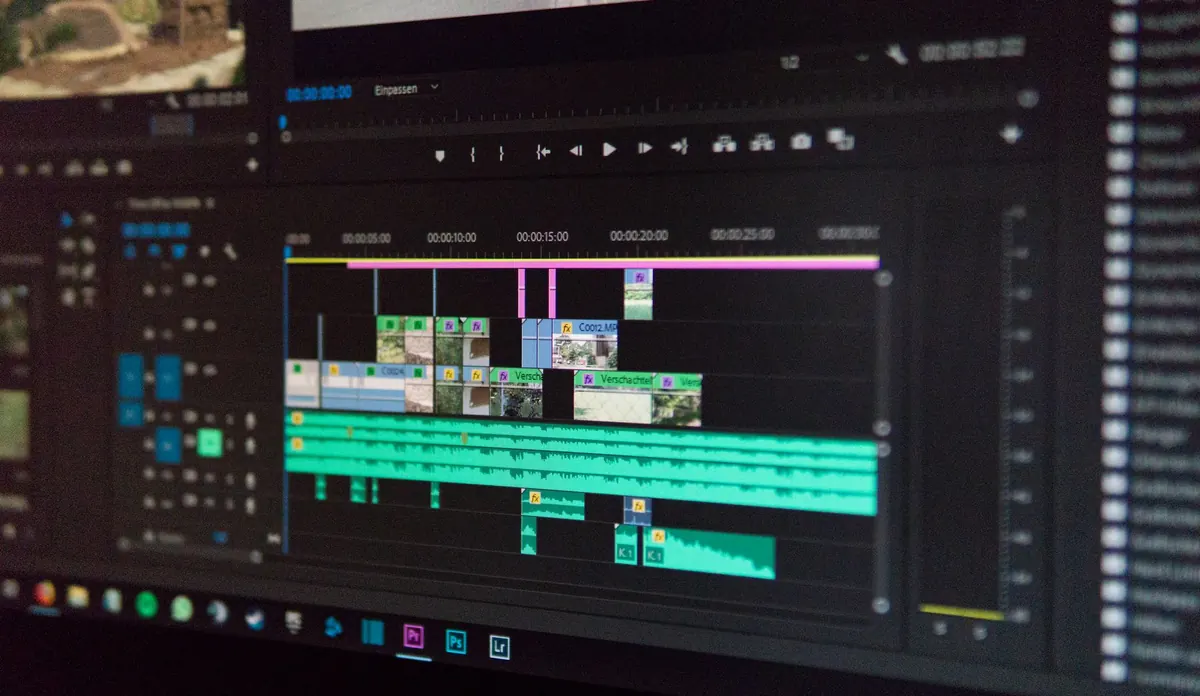
You do not need expensive software. Most phones include a basic editor that can trim, add captions, and lower music. The goal is not to hide the mess. The goal is to shape the mess into a beginning, a middle, and an ending.
- Open with the best reaction. A gasp, a dropped spoon, or a confident "I've got this" hooks viewers faster than a slow introduction.
- Explain the rules in twenty seconds. Use on-screen text or a quick voiceover so the challenge makes sense.
- Cut a cooking montage. Show the first stir, the timer, the taste test, and the moment someone realizes they forgot an ingredient.
- Let the judging breathe. Keep the compliments, the scores, and the winner's celebration. Trim the long pauses.
- End with a taste. A final shot of the family eating together, even if the dish is questionable, reminds viewers why the challenge exists.
Keep the finished video short. Three to six minutes works for most family cooking challenges; a one-minute cut can work for social media. Vertical video suits phones, while horizontal feels more like a cooking show. Pick one and stay consistent.
Editing tip: Save the biggest mistake for the middle, not the end. A dropped egg or a too-salty sauce gives the story a problem, and the judging gives it a resolution.
Make It a Family Ritual
The real value of a kids' cooking challenge video is not the finished clip. It is the rhythm it creates: a monthly mystery box, a birthday copycat episode, a Sunday relay that ends with everyone at the table. Rotate the jobs so each kid gets a turn as chef, judge, and camera operator. Keep a notebook of scores, favorite ingredients, and ridiculous rules. Over a year, that notebook becomes a family cookbook with a plot.
When the Challenge Goes Sideways
Some episodes will fail. The timer will run out, someone will cry, and the final dish may be genuinely inedible. That is not a reason to stop filming. It is a reason to keep a backup snack, order pizza without guilt, and teach kids that a bad round is still part of the game.
- Have a safety net. Keep bread, fruit, and cheese nearby so no one is stuck eating a failed experiment.
- Lower the stakes. If a child is melting down, pause the challenge and let them choose a simpler job.
- Protect food safety. Never taste raw meat, raw eggs, or anything that sat out too long. Adults make the final call.
- Laugh on camera. A parent who can say "Well, that's a interesting color" keeps the mood light and gives the edit its best moment.
Start small. One phone, one timer, five ingredients, and a rule that everyone gets to taste something. The first video may be shaky, the second may be shorter, and the tenth may become the thing your kids ask for every weekend. That is the point: not a perfect cooking show, but a family story you can actually make together.
Photo: Danik Prihodko / Pexels