
Toy Review Video Checklist for Parents: What to Film Before You Buy
A practical checklist for parents filming honest toy reviews — what to capture before you buy, what to test, and when to say a toy isn't worth it.
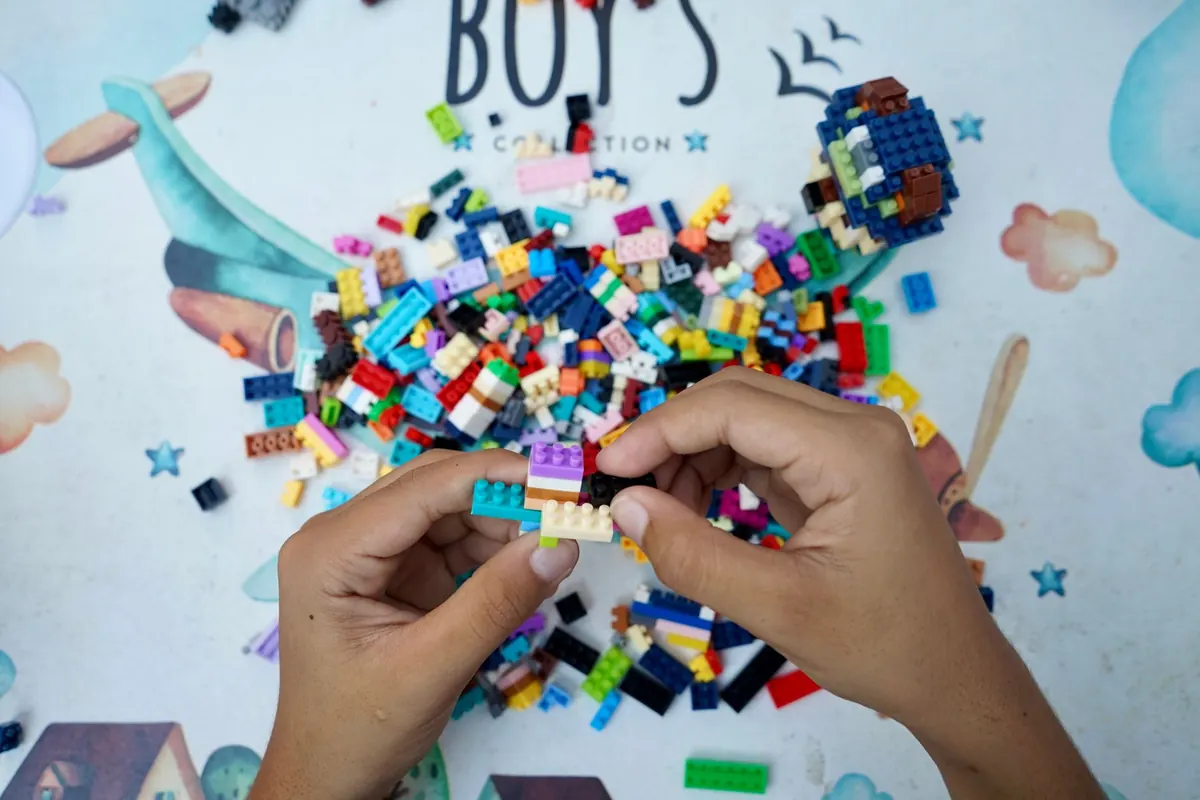
The box is open, the batteries are in, and your kid is already playing with the cardboard. That moment tells you more about a toy than any product photo ever will — and if you happened to film it, you have the start of a review other parents will actually trust.
Toy reviews live or die on one thing: whether they answer what a parent would ask in the aisle. Will it last a week? Does it need batteries and a screwdriver? Can you hear it from the kitchen? Here is a checklist for filming reviews that help people decide, and for sizing up a toy before you spend money on it.
Do the Dull Research Before You Buy
Most disappointing toys announce themselves in the listing, just not on the front of the box. Spend five minutes reading the one- and two-star reviews and look for repeated complaints rather than one angry paragraph. "The pieces pop off when you turn the crank" appearing six times is a pattern. One person's shipping gripe is not.
Then check three practical things:
- Age range and small parts. A toy marked for older kids usually means pieces that come apart, which matters if there's a younger sibling in the house.
- Power and setup. Does it need batteries, a screwdriver, an app, or a subscription? Anything that adds adult work before play changes how often the toy comes out.
- Parts and repairs. If a wheel, a cord or a game piece goes missing, can you replace it, or is the whole thing done?
Write those answers down. They become the spine of your review and the first thing worth saying on camera.
The Unboxing Is the Most Honest Footage You Get
Film the open from the first slice of tape. Don't tidy up first and don't stage it. The useful parts are the ones your instincts tell you to skip: how many bags of parts there were, whether the instructions made sense without squinting at tiny diagrams, how much tape stood between your child and the toy.
Say the setup numbers out loud
When you finish building, say it plainly: how long it took, how many parts, how many times you re-read step two. Setup time is invisible in every promotional clip and very real on a birthday afternoon. If a toy needs an adult to assemble it before a child can touch it, that belongs in the review.
A Shot List That Answers Real Questions
You don't need a studio. You need a window, a phone and a plan, because the difference between a review that helps and one that rambles is whether you captured the moments people care about. Work through this while the toy is new and your patience is fresh:
- A scale shot. Toy next to something familiar — a milk carton, a shoe, your hand — so viewers can judge the real size.
- Close-ups of the parts kids touch. Buttons, hinges, fabric, the bit that looks like it will snap.
- A sound test. Record it from where a parent actually sits, not six inches from the speaker.
- A movement test. Cars roll, dolls pose, building sets hold together. Show the toy doing its one job.
- A gentle durability test. Drop it on carpet from table height. Twist the joint. Pull the arm.
- A pack-away test. Everything back in the box in under a minute, or not. Viewers remember storage problems.
- Ten minutes of unprompted play. Hand it over, stop talking, let the camera run.
Watch How Your Kid Uses It, Not How the Box Says To
The box shows a child using the toy correctly. Your kid will use it as a hat, a bridge, or a weapon for a stuffed bear. That off-label play is where an honest review lives: it shows which parts are sturdy, which are annoying, and whether the toy has enough open-ended possibility to stay interesting after the novelty fades.
Then do the day-three check. Where is the toy now — on the floor, back in rotation, or at the bottom of the toy bin? That single observation says more than anything you can script.
Things Marketing Photos Never Show
- Battery compartments with tiny screws and no spare
- A volume switch with two settings: loud and louder
- Pieces that fit only one way — fine for you, infuriating for a five-year-old
- Toys that need an adult to be fun, and toys that only work for one child at a time
- Whether the box fits on a shelf or needs its own corner
- How the toy behaves around a younger sibling
If any of these turn up in your footage, say so plainly. Naming one real drawback makes everything you praise more believable.
Filming With Kids, Without Making It a Job
Keep sessions short and let your child lead. Coaching a reaction — "say you love it!" — produces footage nobody trusts, and children notice quickly when filming stops being fun. A few ground rules help:
- Ask before you post, and respect a no, even a mumbled one.
- Never film a meltdown for content. Frustration is not a review.
- Get permission before filming other people's kids at a playdate.
Skip faces or names if your child isn't comfortable; hands and voices work fine. And if you're unsure whether a toy is suitable for your child's age or abilities, check the manufacturer's guidance and any recall notices, or ask your pediatrician — don't rely on a review video for that.
The Two-Minute Checklist Before You Buy
Before anything goes in the cart, answer these honestly:
- What will this toy replace, or add, that we don't already have?
- Does it need batteries, tools, an app, or an adult to start?
- Where will it live?
- Will it survive our youngest child?
- Can I picture my kid still playing with it in a month?
Answer those five on camera and you've made a review that saves another family time, money and one more plastic thing in the corner of the living room. That's a good day's work — and a good reason to keep filming.
Photo: sofamuzaqi / Pexels